
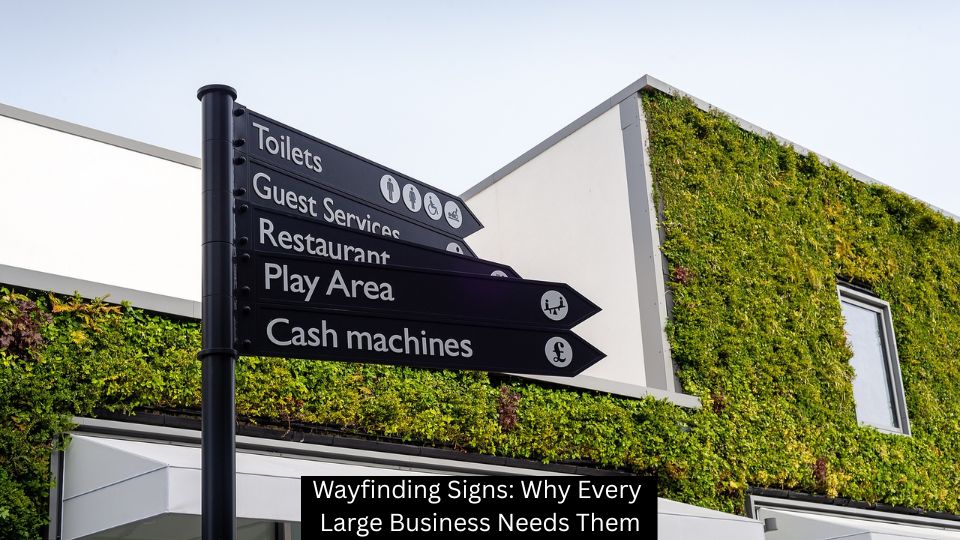
Wayfinding Signs: Why Every Large Business Needs Them
Have you ever walked into a large building and immediately felt lost? That frustration is not just inconvenient for the visitor. It costs businesses time, creates a poor experience, and reflects badly on the brand. Wayfinding signs solve this problem by guiding people through your space with clarity and confidence. For hospitals, corporate campuses, retail centers, hotels, and multi-floor office buildings in Nashville, a well-designed wayfinding system is not a luxury. It is a critical part of running a professional, visitor-friendly operation.
What Are Wayfinding Signs And Why Do They Matter
The Four Pillars Of Effective Wayfinding
Effective wayfinding systems are built on four core functions:
- Identification (you are here)
- Directional guidance (this way to the exit)
- Informational content (hours, services, contacts)
- Regulatory compliance (emergency exits, ADA requirements)
When all four work together, people move through your space with ease. When any one is missing, confusion follows. A business that invests in comprehensive wayfinding demonstrates respect for every person who walks through its doors.
More Than Just Arrows On Walls
Modern wayfinding is a design system. It involves coordinated sign families, consistent typography, brand-aligned color coding, and strategic placement throughout a space. At Nashville Signature Signs, we approach wayfinding as an architectural and brand exercise, not just a functional one. Every sign placement is mapped, every message refined, and every material selected to match both the environment and the brand.
Where Wayfinding Signs Make The Biggest Difference
Healthcare Facilities
Hospitals and medical campuses are among the most complex environments for navigation. Patients and visitors are often already stressed when they arrive. Clear directional signs, floor directories, and department identifiers reduce anxiety, decrease late arrivals for appointments, and free up staff from constantly answering ‘where is the elevator?’ questions. In healthcare, good wayfinding is genuinely a part of the patient experience.
Corporate And Office Campuses
Multi-building corporate campuses require exterior wayfinding to guide visitors from parking to the correct building, and interior wayfinding to direct them to conference rooms, executive suites, and amenities. Nashville’s growing business district has seen a surge in campuses where consistent wayfinding aligns with the company’s professional image and keeps operations running smoothly.
Retail, Entertainment, And Mixed-Use Centers
Shopping centers, entertainment complexes, and mixed-use developments in Nashville depend on wayfinding to connect people with the stores, restaurants, and services they are looking for. Digital directory kiosks, hanging overhead signs, and floor-level markers all work together to keep foot traffic moving and reduce the frustration that leads to early departures.
Key Points: Wayfinding Signs
| Aspect | Key Point |
| Primary Function | Guide, inform, identify, and regulate movement throughout large spaces |
| Best Settings | Hospitals, corporate campuses, hotels, retail centers, universities, and transit hubs |
| Design Approach | Consistent typography, color coding, and strategic placement as a system |
| ADA Compliance | Wayfinding signs must meet ADA standards for accessible font, height, and Braille |
| Material Options | Aluminum, acrylic, PVC, glass, and digital display formats available |
| ROI Impact | Reduces staff time spent on directions and improves overall visitor satisfaction scores |
Useful Information
Explore our ADA-compliant sign solutions: https://nashvillesignaturesigns.com/ada-signs/
Learn about our custom directional signs: https://nashvillesignaturesigns.com/directional-signs/
Frequently Asked Questions
What Is The Difference Between Wayfinding Signs And Directional Signs?
Directional signs are one component of a wayfinding system. They tell you which direction to go. Wayfinding as a whole includes identification signs, directory boards, room labels, regulatory signs, and map displays. A true wayfinding system coordinates all of these elements so visitors can navigate confidently from arrival to destination.
How Many Signs Does A Typical Wayfinding System Require?
The number of signs depends entirely on the size and complexity of your space. A single-floor office may need only a handful of directional and room identification signs. A multi-building medical campus may require hundreds. Nashville Signature Signs conducts a full space assessment before recommending a system size to ensure every decision point in your space is covered.
Do Wayfinding Signs Need To Be ADA Compliant?
Yes. ADA compliance requirements apply to many types of interior signs, including permanent room identification signs, directional signs that lead to accessible routes, and any sign designating restrooms or exits. Non-compliance can result in legal liability. Nashville Signature Signs designs all wayfinding systems to meet current ADA and local code requirements.
Can Wayfinding Signs Be Updated When Our Layout Changes?
Absolutely. We design modular wayfinding systems that allow for panel swaps, text updates, and additions without replacing entire sign structures. This is especially valuable for businesses that undergo renovations, tenant changes, or departmental restructuring. Planning for flexibility at the design stage saves significantly on future update costs.
A large building without a wayfinding system is a frustrating experience waiting to happen. Clear, professional wayfinding signs from Nashville Signature Signs turn complex spaces into environments that are easy, comfortable, and confidence-inspiring to navigate. Whether you are outfitting a new campus, updating an existing facility, or starting from scratch, our team designs wayfinding solutions that work beautifully and last for years. Reach out today to schedule your facility assessment.